
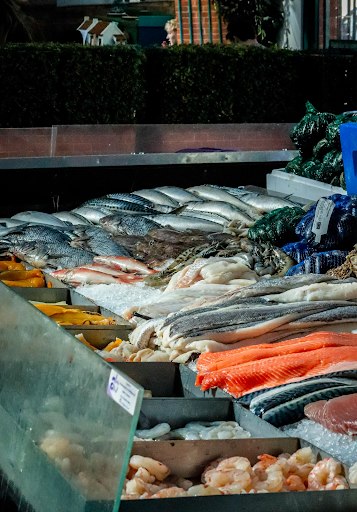
The fresh vs. frozen seafood debate has been going on for decades, and a lot of people are still working off information that isn't quite right. The truth is more nuanced than "fresh is always better," and understanding the difference can help you make smarter decisions at the seafood counter, cook better meals, and waste less food in the process.
At LaBonne's Markets, we've been serving Connecticut families fresh meat and seafood for generations. Here's the honest breakdown on fresh vs. frozen seafood, with no hype, just the facts you need to shop confidently.
The Case for Fresh Seafood
When people say they want "fresh" seafood, what they really mean is they want seafood at peak quality, with the flavor, texture, and firmness that makes fish and shellfish so satisfying when it's done right.
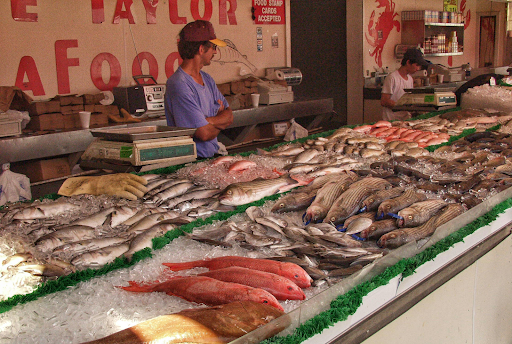
Genuinely fresh fish, caught, handled well, and sold within a day or two, is outstanding. The texture is firm, the flavor is clean and briny without being "fishy," and it responds beautifully to simple preparations. A truly fresh piece of cod sauteed in butter with a squeeze of lemon doesn't need much else.
The catch is that real freshness is harder to guarantee than the label suggests. Most "fresh" fish at a grocery counter has been on ice for one to five days after being caught, sometimes more depending on how far it traveled. That's not necessarily a problem, but it means "fresh" is more of a spectrum than an absolute.
When you're buying fresh seafood, here's what to look for:
Smell. Fresh fish should smell like clean ocean water, mildly briny and not strong. If it smells aggressively fishy or has any ammonia-like quality, it's past its prime.
Eyes. On whole fish, the eyes should be clear and slightly bulging, not cloudy or sunken.
Flesh. Press gently on the flesh. It should spring back rather than hold the indentation. The flesh should look moist and firm, not dry or separating.
Color. Depending on the fish, the flesh should look vibrant, not dull, gray, or discolored at the edges.
Ice and display. A good seafood counter keeps fish properly iced and rotates stock regularly. Trust your eyes and your nose.
The Case for Frozen Seafood
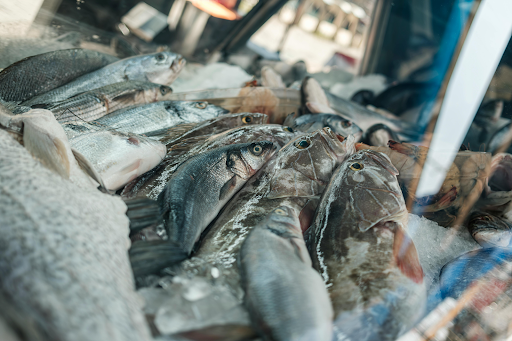
Here's where a lot of people are surprised: frozen seafood is often as good as, and sometimes better than, what's labeled "fresh" at the counter.
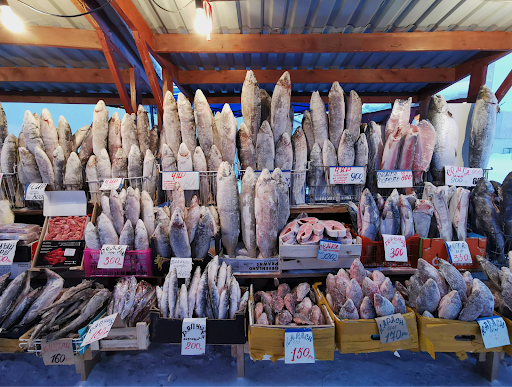
The reason is something called IQF, or Individually Quick Frozen. Modern fishing operations freeze fish and shellfish within hours of harvest, often right on the boat. At that speed, ice crystals form so quickly that they don't rupture cell walls, which means the texture and flavor are preserved remarkably well.
By the time "fresh" fish from a distant fishing ground has been packed, shipped, and iced at a distribution center, a fish that was frozen at sea the same day it was caught may actually be significantly fresher in terms of quality.
For shrimp specifically, almost all commercially sold shrimp, including what's labeled "fresh" at many counters, was previously frozen and thawed for display. That's not a problem, but it means buying frozen shrimp and thawing it yourself gives you complete control over the thawing process, which preserves quality better than shrimp that's been sitting thawed in a display case for an unknown amount of time.
Frozen seafood works especially well for:
Shrimp (almost always frozen at sea regardless)
Cod, haddock, and other white fish
Salmon fillets
Scallops
Lobster tails
Calamari
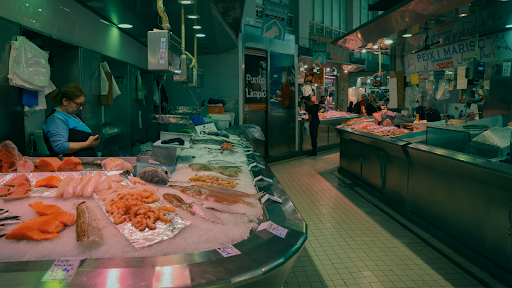
A Closer Look: Cod Fish
Cod is one of the most popular and versatile fish available, and it's a staple at LaBonne's seafood counter. It's mild, flaky, and approachable, making it a great entry point for people who are building their seafood repertoire.
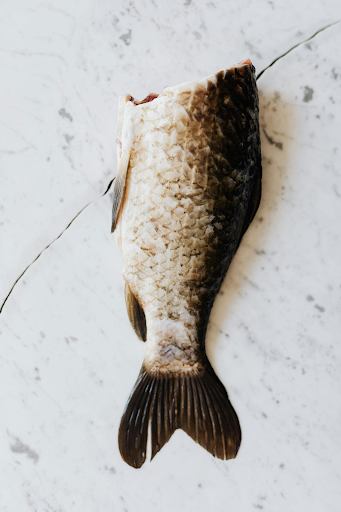
Atlantic cod has a slightly firmer texture and a cleaner, more delicate flavor than Pacific cod. Both work beautifully in classic preparations:
Pan-seared cod with garlic butter and fresh herbs
Baked cod with breadcrumbs, lemon, and olive oil
Fish tacos with slaw and avocado crema
Beer-battered cod for classic fish and chips
Cod en papillote (baked in parchment) with vegetables and white wine
When buying cod, fresh or frozen, look for fillets that are white to off-white with a clean smell. Avoid any that look yellowed, have dark patches, or smell strongly.
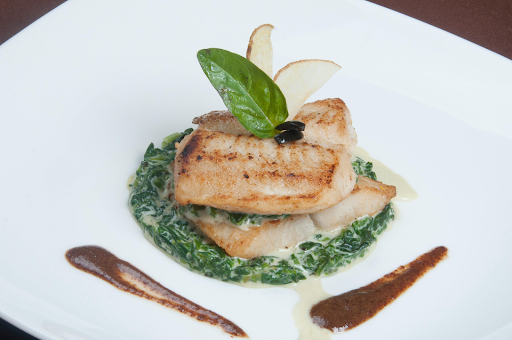
A Closer Look: Shrimp
Shrimp is America's most consumed seafood, and it's not hard to see why. It's quick to cook, endlessly versatile, and crowd-pleasing in just about every preparation.
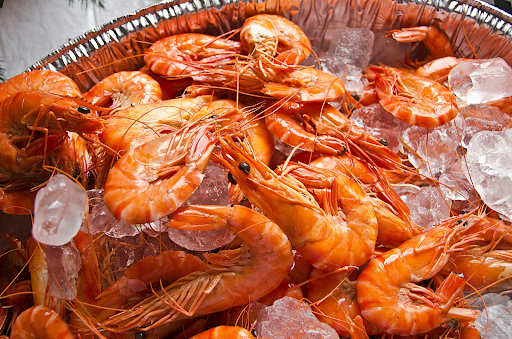
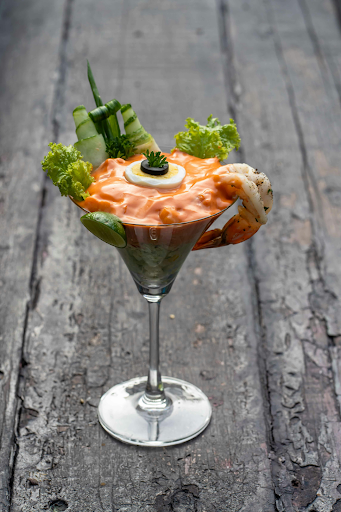
For cooked shrimp, the kind you'd put on a cocktail platter or fold into a pasta, buying it pre-cooked and chilled is perfectly fine. Look for shrimp that are firm and not mushy, with a clean smell and no dark spots on the shell or flesh.
For cooking raw shrimp at home, buying them shell-on and deveining yourself gives you more control and generally better flavor. But peeled and deveined works great for weeknight cooking when you want speed.
Size guide:
Extra jumbo (16 to 20 per pound): Ideal for grilling, stuffing, or showcasing on a platter
Jumbo (21 to 25 per pound): Great for shrimp scampi, stir fry, and tacos
Large (26 to 30 per pound): The everyday workhorse for pastas, soups, and quick sautes
Medium (31 to 40 per pound): Best in dishes where shrimp is one component among many
Tips for Thawing Frozen Seafood
The way you thaw frozen seafood matters more than most people realize.
Best method: Place frozen seafood in a sealed bag or covered container and let it thaw in the refrigerator overnight. Slow, cold thawing preserves texture and minimizes moisture loss.
Quick method: Place sealed seafood in a bowl of cold, not warm, running water. Most fillets and shrimp will thaw in 15 to 30 minutes. Never use warm water. It starts cooking the outside while the inside is still frozen, and it accelerates bacterial growth.
What not to do: Never thaw seafood at room temperature on the counter. And once thawed, cook it within 24 hours and don't refreeze it.
Cooking Seafood: Simple Is Usually Better
One of the biggest mistakes home cooks make with seafood is overcomplicating it. Good fresh or properly frozen fish doesn't need much.
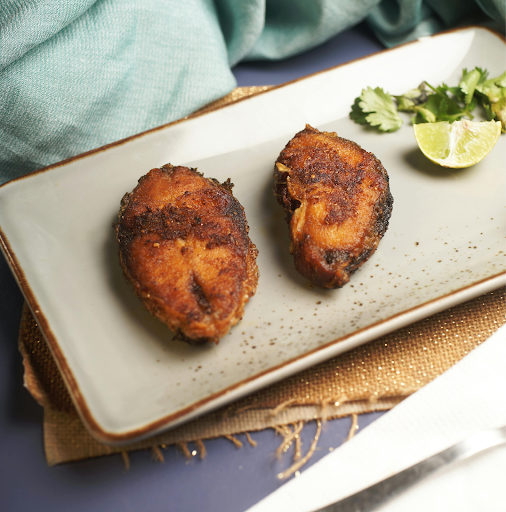
For most white fish like cod or haddock, a simple formula works every time: pat dry, season with salt and pepper, cook in a hot pan with butter or olive oil for 3 to 4 minutes per side depending on thickness, finish with lemon juice and fresh herbs. Done.
For shrimp, a hot pan, a little garlic, some butter, and two minutes per side is often all you need.
The key with seafood is not overcooking it. Fish is done when it flakes easily with a fork and has just turned opaque throughout. Shrimp is done the moment it curls into a "C" shape. When it curls into an "O," it's overcooked.
Want more seafood preparation ideas? Check out the LaBonne's recipe page for inspiration that works with what's fresh at the counter.
Shop Seafood at LaBonne's Markets
LaBonne's seafood counter carries a rotating selection of fresh and quality-frozen fish and shellfish across all four Connecticut locations. Our team can help you find the right cut, suggest a preparation method, and answer questions about what's fresh and what's in season.
Whether you're planning a weeknight dinner or putting together a seafood platter for a party, we've got you covered. Check our weekly sale flyer for featured seafood deals, find your nearest store in Watertown, Woodbury, Salisbury, or Prospect, or order online for pickup or delivery.