
Few things command a dinner table like a bone-in rib roast. It's the kind of centerpiece that makes people put down their phones and actually pay attention to what's on the plate. Whether you're hosting a holiday dinner, a birthday celebration, or just feel like doing something special on a Sunday, knowing how to cook a rib roast properly is a skill that pays off for a lifetime.
At LaBonne's Markets, our meat department has been helping Connecticut families get the best cuts since 1962. Here's everything you need to know about buying, preparing, and cooking a bone-in rib roast that will genuinely impress.
What Is a Bone-In Rib Roast?
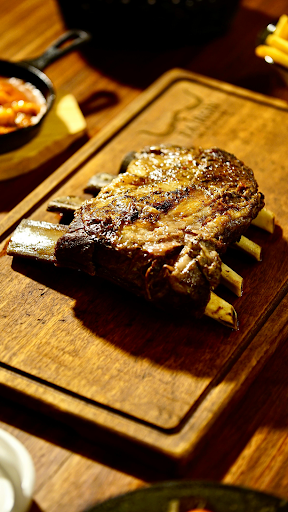
A bone-in rib roast, also called a standing rib roast or prime rib, is a large cut of beef taken from the primal rib section of the cow, typically ribs six through twelve. It's one of the most flavorful cuts of beef available because it's well-marbled and because the bones act as a natural rack during cooking, promoting even heat circulation while adding flavor.
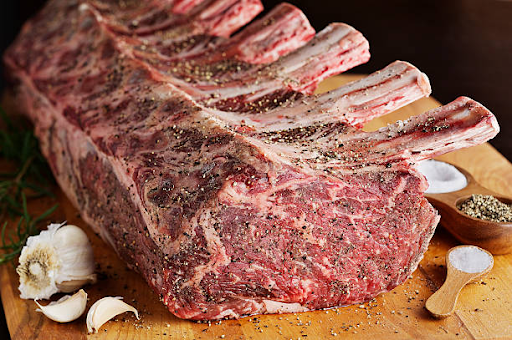
When you see "prime rib" on a restaurant menu, this is what they're serving. Cooking it at home isn't as intimidating as it sounds, but it does require a little planning.
Choosing the Right Roast
When you're at the meat counter, here's what to look for:
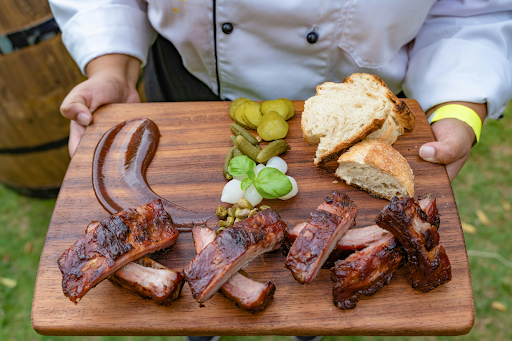
Bone-in vs. boneless. Bone-in roasts are generally more flavorful and more impressive at the table. The bones also make carving easier once you know the technique. Boneless roasts are more uniform and easier to carve but lack some of the depth of flavor.
How many ribs? A good rule of thumb is one rib for every two people. A three-rib roast feeds about six people comfortably. A four-rib roast handles eight. For larger gatherings, go five or six ribs.
Grade matters. USDA Prime has the highest level of marbling and will give you the most tender, flavorful result. USDA Choice is excellent and more widely available. In the hands of a good butcher sourcing quality beef, Choice rib roasts can be outstanding. At LaBonne's, our meat team sources quality beef and can help you choose the right roast for your table.
Talk to your butcher. Ask them to tie the roast if it isn't already. This helps it hold its shape during cooking. You can also ask to have the chine bone removed, which makes carving significantly easier once the roast is cooked.
Dry Brining: The Step Most People Skip
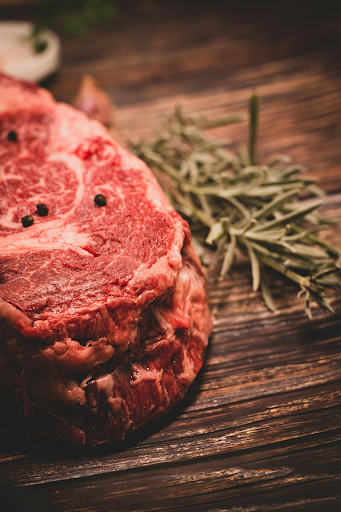
The single best thing you can do to improve your rib roast is dry brine it in advance. This means salting the roast generously, all over including the bones, and letting it rest uncovered in the refrigerator for 24 to 72 hours before cooking.
What does dry brining do? The salt initially draws moisture to the surface. That moisture then dissolves the salt, and the brine gets reabsorbed into the meat, seasoning it deeply and helping it retain moisture during cooking. The exposed surface also dries out in the fridge, which means you'll get a dramatically better crust when you sear it.
Use about one teaspoon of kosher salt per pound of meat. Pat it all over, set it on a rack over a sheet pan, and refrigerate uncovered.
The Classic Method: Low and Slow, Then Sear
There are a few different methods for cooking a rib roast. The reverse-sear method, low and slow in the oven followed by a high-heat sear, consistently produces the best results for home cooks.
What you'll need:
1 bone-in rib roast (3 to 6 ribs), dry brined 24 to 72 hours
2 tablespoons olive oil or softened butter
4 cloves garlic, minced
2 tablespoons fresh rosemary, finely chopped
2 tablespoons fresh thyme
1 tablespoon coarse black pepper
1 teaspoon onion powder
Step 1: Let the roast come to room temperature. Remove the roast from the refrigerator at least one hour before cooking, ideally two. Cold meat straight from the fridge cooks unevenly.
Step 2: Make your herb crust. Combine olive oil or butter with the garlic, rosemary, thyme, black pepper, and onion powder. Rub this mixture all over the roast, pressing it into every surface.
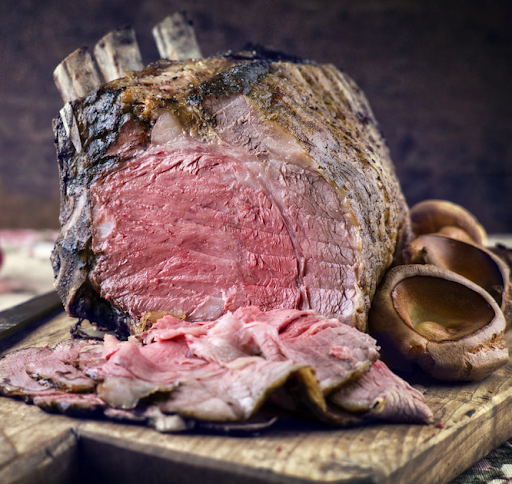
Step 3: Low and slow. Place the roast bone-side down on a rack in a roasting pan. Cook at 250 degrees F until the internal temperature reaches your target doneness, about 115 to 120 degrees F for rare, 125 to 130 degrees F for medium-rare, 135 degrees F for medium. This will take roughly 3 to 4 hours for a three-rib roast, longer for larger cuts. Use a reliable meat thermometer and don't guess on a roast this significant.
Step 4: Rest. This is non-negotiable. Pull the roast out of the oven and let it rest, loosely tented with foil, for 30 to 45 minutes. The internal temperature will continue to rise through carryover cooking, and the juices will redistribute throughout the meat.
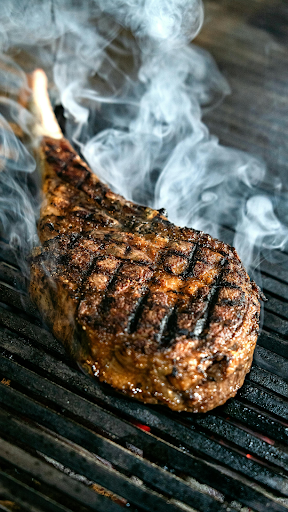
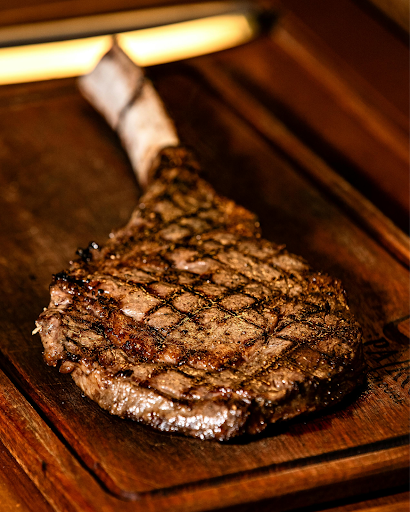
Step 5: Sear for the crust. Crank your oven to 500 degrees F, or use a very hot cast iron skillet or grill. Sear the roast for 10 to 15 minutes in the oven, or a few minutes per side on the grill, until you have a deep, caramelized crust.
Step 6: Carve and serve. Cut along the bones to remove them as a rack, then slice across the grain into half-inch portions.
Internal Temperature Guide
Pull temperature (before resting and sear):
Rare: 115 degrees F, final temperature around 125 degrees F
Medium-rare: 125 degrees F, final temperature around 135 degrees F
Medium: 135 degrees F, final temperature around 145 degrees F
Medium-well: 145 degrees F, final temperature around 155 degrees F
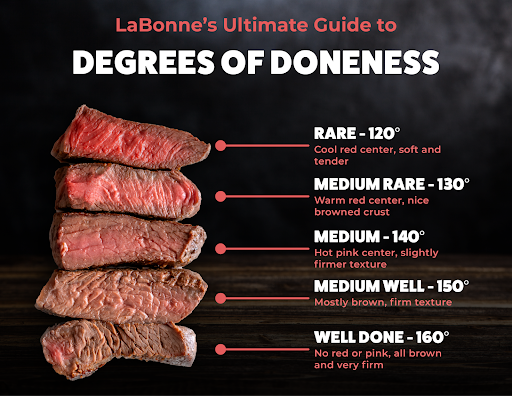
A rib roast is at its best at medium-rare. The marbling melts, the meat is tender, and the flavor is at its peak. Going past medium starts to tighten the muscle fibers and diminish what makes this cut special. Feel free to check out our internal temperature guide to learn even more about ideal temperatures!
What to Serve with a Rib Roast
A roast this impressive deserves equally strong sides. Classic pairings include:
Creamy horseradish sauce, because the sharpness cuts through the richness of the beef perfectly
Au jus made from the pan drippings, simple and deeply savory
Roasted garlic mashed potatoes, a crowd-pleaser that soaks up the juices beautifully
Yorkshire pudding if you want to commit fully to the classic steakhouse experience
Roasted asparagus or haricots verts for a fresh, green counterpoint
A bold red wine like Cabernet Sauvignon, Malbec, or a Cotes du Rhone
Looking for recipe inspiration to round out your menu? Browse the LaBonne's recipe collection for ideas that pair beautifully with a special occasion roast.
Get Your Rib Roast from LaBonne's
The quality of the roast matters enormously. A rib roast from a quality butcher, where you know the beef is fresh, well-sourced, and cut properly, is a completely different experience than a generic vacuum-sealed roast from a big box store.
At LaBonne's, our meat department has the expertise to help you pick the right roast for your table, tie it correctly, and answer any questions you have about preparation. From our original meat market roots in Watertown to four stores across Connecticut today, great beef is what we're built on. Learn more about us and the six generations behind the LaBonne name.
Check ourweekly sale flyer for featured meat deals, find yournearest LaBonne's location in Watertown, Woodbury, Salisbury, or Prospect, and for large gatherings, explore ourcatering menu to let us handle the heavy lifting.