
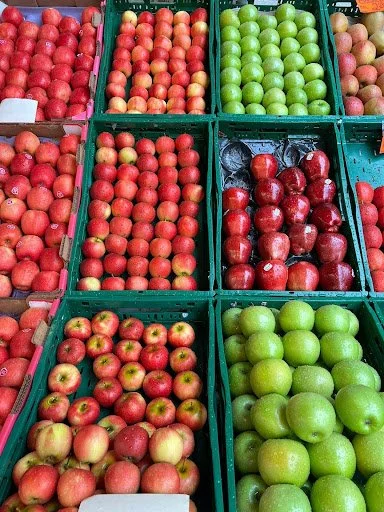
When fall hits Connecticut, there's nothing quite like walking into a market and seeing a full display of fresh apples in every shape, size, and color. But with so many varieties out there, it can be genuinely hard to know which apple is right for what you're making, or just for snacking. At LaBonne's Markets, we've been helping Connecticut families shop smarter since 1962, and apples are one of those things we get asked about all the time.
So here's your complete guide to the most common types of apples you'll find at your local market: what they taste like, how sweet they are, and what to do with them.
Why Apple Variety Actually Matters
Not all apples are created equal. Grab the wrong one for a pie and you might end up with a soupy mess. Pick the wrong one for a cheese board and it might overwhelm everything else on the platter. Understanding the difference between apple varieties doesn't require a horticulture degree, just a little guidance.
The main things to pay attention to are sweetness, tartness, and texture. Some apples hold their shape when baked. Others break down into a soft, saucy consistency. Some have that crisp, sharp bite that's perfect fresh off the tree. Others are mellow and honey-sweet.
Apple Sweetness Chart: From Tart to Sweet
Here's a general guide to where common apple varieties fall on the sweetness scale:
Very Tart:
Granny Smith
Braeburn
Balanced (Sweet-Tart):
Honeycrisp
Pink Lady
Cortland
Empire
Mildly Sweet:
Gala
McIntosh
Fuji
Very Sweet:
Red Delicious
Golden Delicious
Ambrosia
SweeTango
Think of this apple sweetness scale as your starting point. Personal taste varies, but this gives you a framework when you're standing in front of a bin of apples trying to decide.
The Most Common Types of Apples and What They're Best For
Honeycrisp
If there's one apple that's had a moment over the last decade, it's Honeycrisp. And for good reason. These apples have an almost explosive crunch, with a balanced sweet-tart flavor that makes them incredibly satisfying to eat fresh. They're also great on a charcuterie board paired with sharp cheddar or a creamy brie.
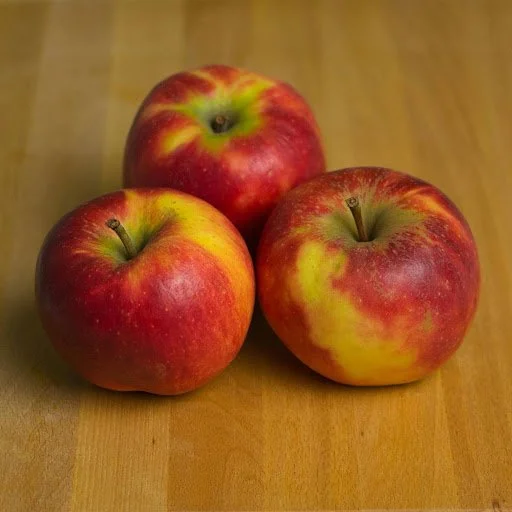
Honeycrisps are best eaten fresh. Their texture doesn't hold up quite as well when baked, but they work beautifully in a Waldorf salad or sliced thin on a flatbread with arugula and goat cheese.
Granny Smith
The quintessential baking apple. Granny Smiths are bright green, very tart, and firm enough to hold their shape in the oven, which makes them the go-to for classic apple pie. The tartness balances perfectly with sugar and warm spices like cinnamon and nutmeg.
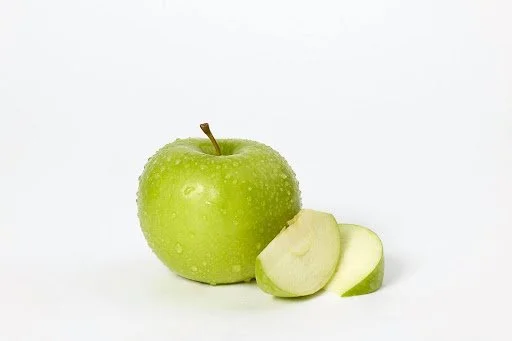
They're also great for applesauce if you want something with a little more edge, and they pair well with strong, aged cheeses. If you're making caramel apples, Granny Smith is the classic choice because the tartness cuts through the sweetness perfectly.
Gala
Gala apples are one of the most popular varieties in the United States, and it's easy to see why. They're reliably sweet, mild, and approachable. A great all-purpose apple for everyday snacking, kids tend to love them. They're also solid for fresh salads and lunch boxes.
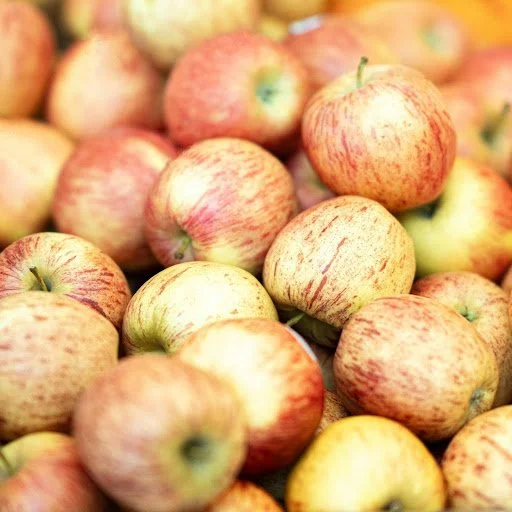
Galas aren't the best choice for baking because they're softer and break down more quickly, but they make excellent applesauce and work great in smoothies.
Fuji
Originally developed in Japan, Fuji apples have become a favorite for good reason. They're dense, very sweet, and stay crisp for a long time, which makes them one of the best apples for long-term storage. If you buy a bag and want it to last in the fridge for a couple weeks, Fuji is your apple.
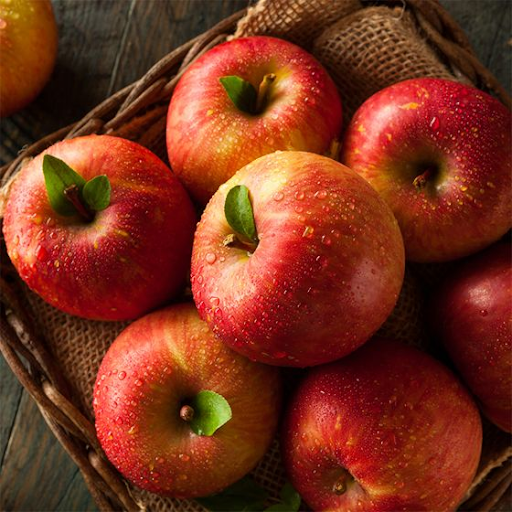
They're excellent fresh, work well in salads, and can handle light baking. They're also one of the best apples for kids who want something sweet without much tang.
McIntosh
The McIntosh is a classic New England apple with deep roots in Connecticut and the surrounding region. These apples are softer, with a tender bite and a pleasant tart-sweet balance. They're not ideal for eating fresh if you want a crunch, but they're outstanding for applesauce and apple butter because they break down quickly when cooked.
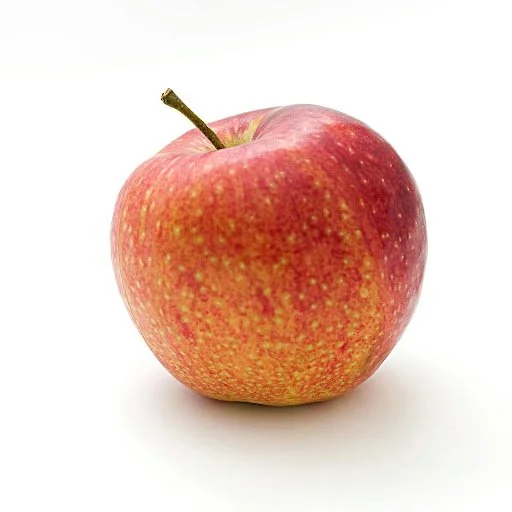
McIntosh is also a traditional cider apple. If you're pressing your own cider or picking up fresh-pressed cider from a local orchard, there's a good chance McIntosh apples are in the mix.
Cortland
Cortland apples are underrated. They're a cross between McIntosh and Ben Davis, with bright red skin and creamy white flesh that resists browning. That makes them excellent for fruit salads, platters, and anything where you're slicing apples and leaving them out for a bit. They're tart-sweet, juicy, and really versatile.
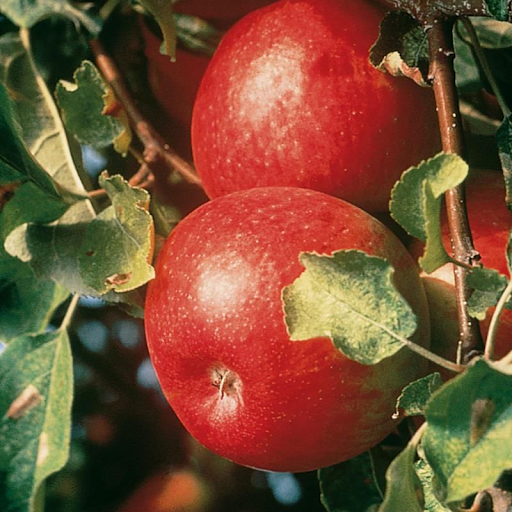
They bake well, eat well fresh, and are a staple at New England farm stands every fall.
Pink Lady (Cripps Pink)
Pink Lady apples are known for their distinctive rosy-pink skin and their effervescent, almost wine-like flavor. They're tart with a sweet finish, dense, and incredibly crisp. They hold up beautifully when baked and are an excellent snacking apple for adults who want something with a little more complexity than a Gala.
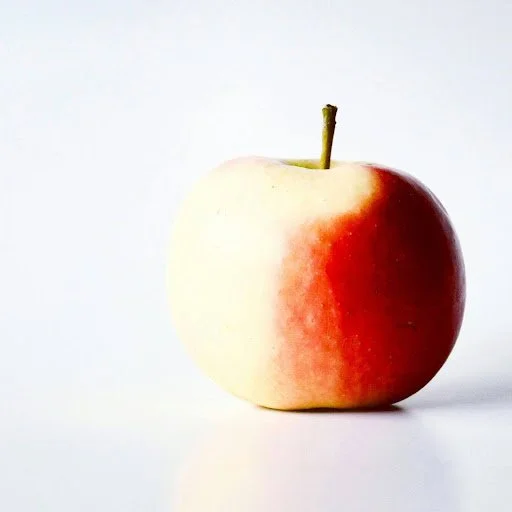
Pink Ladies are also one of the longer-lasting apples, tending to stay crisp in the fridge well past when other varieties have softened.
Braeburn
Braeburns are a bit of a sleeper hit. They're firm, spicy-tart, and have a rich, complex flavor that makes them excellent for baking and cooking. They hold their shape well in a pie or tart, and they pair beautifully with pork dishes, like apple and pork tenderloin or a Braeburn chutney alongside roasted chicken.
Golden Delicious
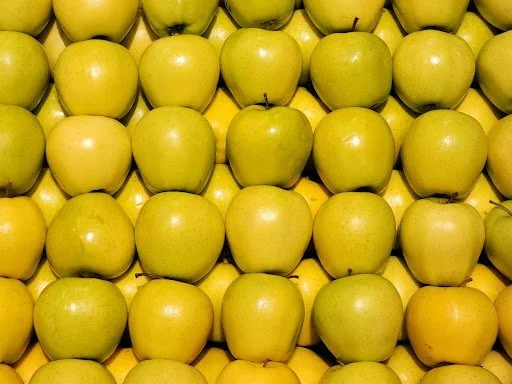
Don't confuse these with Red Delicious. Golden Delicious are genuinely good apples. They're sweet, mild, and buttery, with a softer texture that makes them excellent for baking, especially in cakes, muffins, and breads where you want the apple to melt into the batter. They also make great applesauce.
Red Delicious
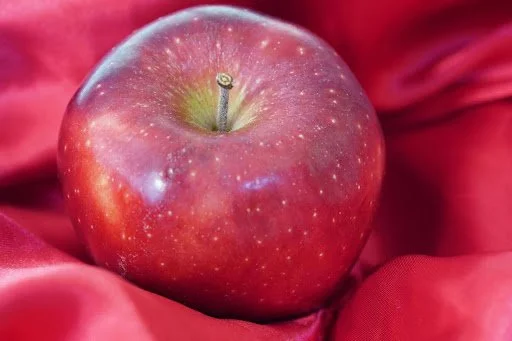
Red Delicious gets a bad reputation, and honestly, a lot of it is deserved when you're eating one that's been sitting around too long. But a fresh Red Delicious is sweet and mildly flavored. They're best eaten fresh and are more of a nostalgic apple than a culinary workhorse. If you see them looking good at the market, they can be a fine snack. Just don't try to bake a pie with them.
Tips for Buying Fresh Apples at the Market
When you're shopping for apples, look for:
Firmness. Press gently on the skin. A good apple should feel firm, not give under light pressure. A soft apple has started to break down and won't be as crisp.
Skin integrity. Avoid apples with bruises, soft spots, or broken skin. A little surface russeting (rough, brown patches) is natural on some varieties and doesn't affect quality.
Smell. Fresh apples have a subtle, pleasant fragrance. If an apple smells fermented or doesn't smell like much at all, it's past its prime.
Weight. A good apple feels heavy for its size. That density means it's full of juice and hasn't dried out.
Storing Your Apples
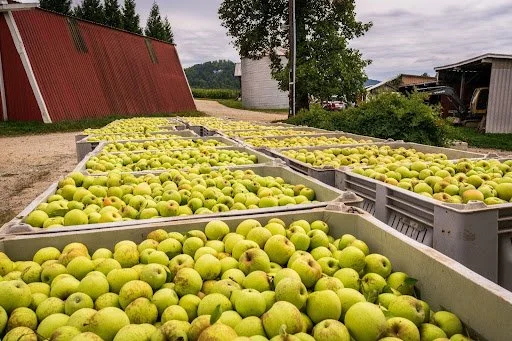
Apples last longest in the refrigerator, specifically the crisper drawer. Most varieties will keep for three to six weeks when properly chilled. At room temperature, apples typically last one to two weeks before they start to soften.
Worth knowing: apples give off ethylene gas as they ripen, which can speed up the ripening of nearby fruits and vegetables. Keep them in a bag or separate from other produce if you want to slow things down.
Shop Fresh Produce at LaBonne's Markets
At LaBonne's, we're committed to bringing you the freshest produce every single day. That's been true since George LaBonne first started delivering fresh goods to Connecticut families at the turn of the century, and it's still true across all four of our stores today. You can read more about our history and what's driven six generations of the LaBonne family.
Whether you're stocking up for apple season baking, putting together a fall fruit platter, or just grabbing a bag for the week, you'll find a great selection of apples and fresh produce at your nearest LaBonne's. Check our weekly sale flyer for fresh produce deals, find your nearest location, or order online for pickup or delivery straight to your door.